Design
A pollinator garden for a small Omaha yard: what to plant and how to lay it out
How to fit a useful pollinator garden into a small city yard, patio edge or side strip in Omaha — bloom sequence, host plants, sun and part-shade lists, and simple layouts.

By Amanda Kupsti
· Updated · 7 min read
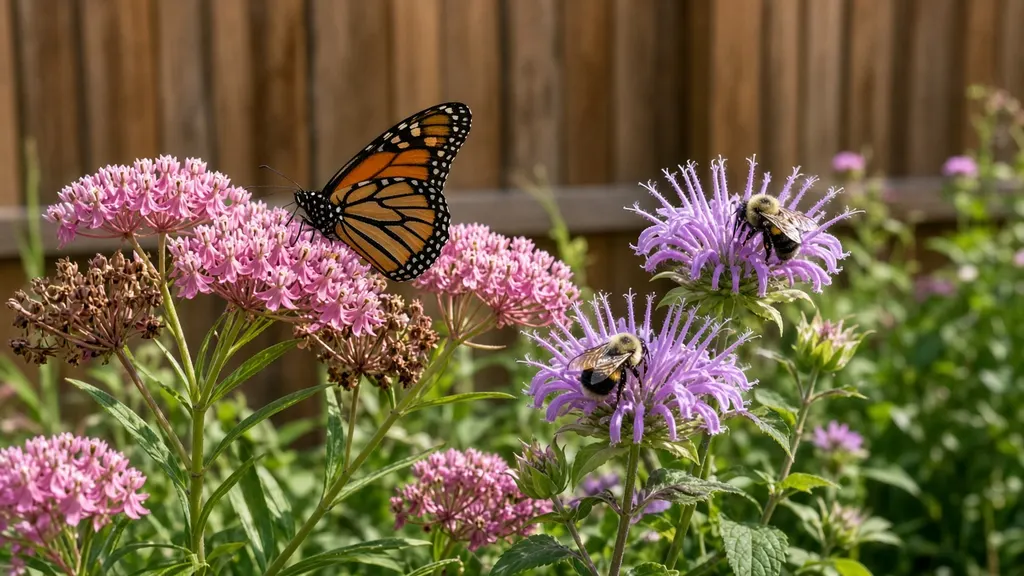
You do not need a meadow to make a real difference for pollinators. A strip along a fence, a corner of a backyard or a few feet beside a patio can feed bees and butterflies from spring to frost — if it is planted with the right mix. In the city, those small patches add up: one yard's flowers become the next stop for a bee working its way down the block.
This guide is about getting the most out of very little space in an Omaha yard: what pollinators actually need, which plants earn their place, and three layouts that fit small spaces.
What pollinators need from a garden
A pollinator garden is often thought of as "flowers for bees." Flowers matter, but a garden that supports pollinators through their whole life cycle offers a bit more:
- Nectar and pollen across the season — not just in July.
- Host plants — specific plants that caterpillars eat. Monarchs need milkweed; black swallowtails use golden Alexanders and other plants in the carrot family.
- Places to nest and overwinter — bare patches of soil for ground-nesting bees, hollow stems for stem-nesting bees, and leaf litter.
- No insecticides — including "systemic" treatments sometimes applied to nursery plants. Ask your nursery how plants were grown.
Bees don't need a big garden. They need a garden that keeps blooming after the Fourth of July.
Plan the bloom sequence first
The single most useful thing a small garden can do is fill gaps in the season. Early spring and late fall are often hungry times for bees in city neighborhoods, because so many yards bloom mostly in early summer.
| Season | Plant | Who visits |
|---|---|---|
| April–May | Prairie smoke, golden Alexanders | Early native bees |
| June | Foxglove beardtongue, spiderwort, butterfly milkweed | Bumblebees, butterflies |
| July | Wild bergamot, purple coneflower, swamp milkweed | Bumblebees, monarchs, swallowtails |
| August | Rough blazing star, mountain mint | Butterflies, wasps, many small bees |
| September–October | Aromatic aster, showy goldenrod | Late bees, migrating monarchs |
You can read more on planning bloom across the whole year in designing a native garden for four seasons.
Ten plants that earn their place in small spaces
When space is tight, every plant needs to do a lot. These are the plants I come back to most often in small sunny Omaha yards because they are long-blooming, heavily visited and well-behaved.
- Wild bergamot (Monarda fistulosa) — lavender pompoms in July; a bumblebee magnet.
- Purple coneflower — long bloom, then winter seed for birds.
- Butterfly milkweed — compact, orange, a monarch host plant that doesn't spread aggressively.
- Swamp milkweed — for the moister spot near a downspout; also a monarch host.
- Mountain mint — small white flowers that draw an astonishing variety of insects.
- Anise hyssop — long-blooming purple spikes; rabbits usually leave it alone.
- Rough blazing star — late summer spikes favored by butterflies.
- Aromatic aster — the best late-season plant for small gardens.
- Golden Alexanders — early yellow flowers and a host for swallowtails.
- Prairie dropseed — not a flower plant, but a tidy grass to frame the bed and shelter insects.
For part shade
Many small city yards have more shade than sun, especially side yards between houses and backyards under mature trees. Pollinators still use these spaces, and some excellent natives prefer them.
| Plant | Bloom | Notes |
|---|---|---|
| Wild geranium | May | Soft pink; early bees |
| Wild columbine | May | Red and yellow; hummingbirds |
| Virginia bluebells | April–May | Spring ephemeral; disappears by summer |
| Zigzag goldenrod | Sept–Oct | Late nectar in shade |
| Blue-stemmed goldenrod | Sept–Oct | Arching stems; tidy |
| Pennsylvania sedge | Grass-like | Groundcover; shelter for insects |
Three layouts for small spaces
The fence-line strip
A bed about three feet deep along a sunny fence. Put taller plants — wild bergamot, swamp milkweed, blazing star — against the fence, mid-height coneflowers and anise hyssop in front, and a row of prairie dropseed along the lawn edge. Repeat groups along the length of the fence.
The patio corner
A roughly square bed beside a patio, where you can watch the visitors up close. Put fragrant plants — mountain mint, anise hyssop, bergamot — closest to the seating. Add one or two milkweeds so you can watch for monarch caterpillars in summer.
The hell strip
The strip between sidewalk and street is hot, dry and tough. Keep plants low and tidy: prairie dropseed, purple prairie clover, butterfly milkweed and aromatic aster. Check your city's rules on plant height and visibility first, and leave room for people to step out of parked cars.
Pick the spot
Six or more hours of sun if you can; part shade works with the right plants.
Choose 5–7 plants
Cover spring, summer and fall, with at least one host plant.
Plant in groups
Three to five of each kind, repeated, with a grass edge.
Leave habitat
Stems standing over winter, a little bare soil, no insecticides.
Buying plants for a pollinator garden
Where your plants come from matters almost as much as which ones you choose.
Straight species and cultivars
Many garden-center natives are cultivars — selected or bred varieties with a different flower color, a more compact shape or double flowers. Some are visited by pollinators just as much as the wild form; others, especially those with double flowers or very different colors, can be less useful because the pollen and nectar are harder to reach. When you can, choose the straight species or cultivars that look close to the wild plant.
Plugs and local sales
Spring plant sales run by native plant groups, nature centers and conservation organizations in the Omaha area are some of the best sources of locally appropriate plants, often sold as inexpensive plugs. Plugs establish quickly and let you plant in generous groups without a big budget.
Ask how plants were grown
Some nursery plants are treated with long-lasting insecticides that can end up in pollen and nectar. It is reasonable to ask the nursery whether plants were treated, and many native plant growers state clearly that they don't use them.
A sample plant count for a small strip
Here is one way to fill a sunny strip about four feet deep and twelve feet long — roughly the size of a fence line in a typical city backyard. Quantities assume plugs spaced around 15 inches apart.
| Plant | Quantity | Placement |
|---|---|---|
| Wild bergamot | 5 | Back row, in one group |
| Swamp or butterfly milkweed | 3 | Back row, other end |
| Purple coneflower | 5 | Middle, two groups |
| Anise hyssop | 3 | Middle |
| Aromatic aster | 3 | Middle front |
| Golden Alexanders | 3 | Front corner |
| Prairie dropseed | 6 | Front edge, repeated |
That is under thirty plants for a strip that will bloom from May to October and host monarch and swallowtail caterpillars. In a shadier strip, swap in wild geranium, columbine, zigzag goldenrod and Pennsylvania sedge.
Water, shelter and nesting
Flowers get the attention, but a pollinator garden also works as habitat. A shallow dish of water with stones or marbles to land on gives bees and butterflies a safe place to drink on hot days; change it every few days. A small patch of bare, sunny soil — a corner of the bed you leave unmulched — is useful for the many native bees that nest in the ground. And a few hollow or pithy stems left standing over winter give stem-nesting bees somewhere to lay eggs the following spring.
Front yards, balconies and other small spaces
Pollinator gardens don't need a backyard. A curbside strip, a narrow bed along a driveway, or a few large containers on a balcony can all support bees and butterflies. In containers, choose compact natives like anise hyssop, prairie dropseed, butterfly milkweed and aromatic aster, use a pot at least 18 inches wide so roots don't overheat, and group several containers together so they read as one patch of flowers to a passing bee.
In front yards, a clean edge, a short path or a small sign identifying the planting as a pollinator garden helps neighbors see it as intentional. Keeping the front foot or two of the bed shorter and tidier also makes a big difference to how the whole garden looks from the street.
Whatever the size of the space, the same principles hold: native plants, blooms across the whole season, groups instead of singles, and a little patience while the planting fills in during its first couple of years.
Small habits that make a big difference
- Include at least one milkweed for monarchs
- Have something blooming from April to October
- Leave a small patch of bare, sunny soil for ground-nesting bees
- Provide a shallow water source with stones to land on
- Skip insecticides, and ask nurseries about systemic treatments
- Leave stems and some leaves over winter
Getting it established
The same first-season care applies here as anywhere: water deeply while plants establish, weed often in year one, and protect favorites from rabbits. See drought-tolerant native plants for watering guidance and keeping rabbits and deer away for protecting young plants.
Last updated
Related guides
Design
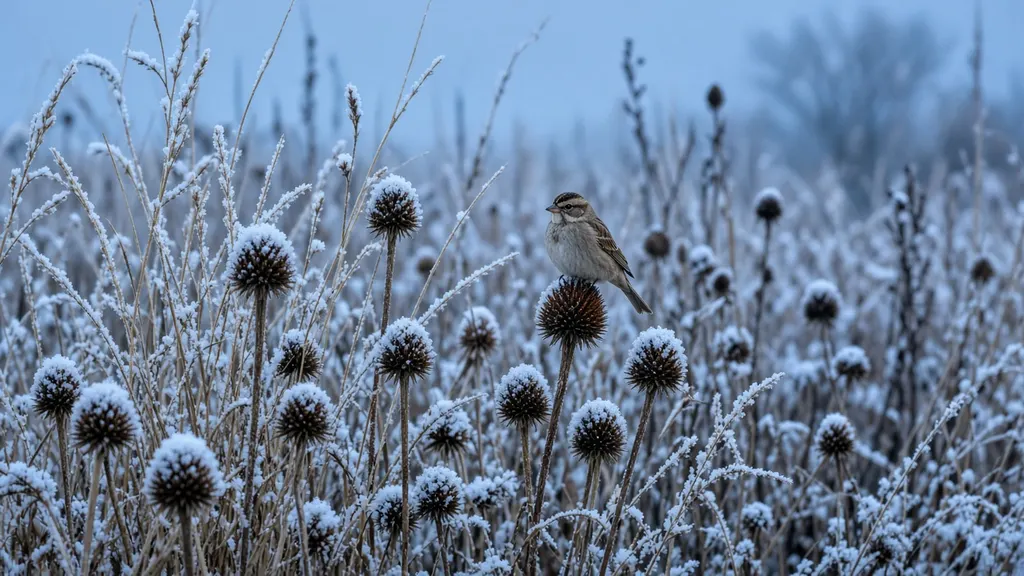
Designing a native garden that looks good in all four Nebraska seasons
How to plan a small Omaha native garden for spring, summer, fall and winter interest — with bloom-sequence tables, grasses for structure and what to leave standing over winter.
· 7 min read
Working with a designer
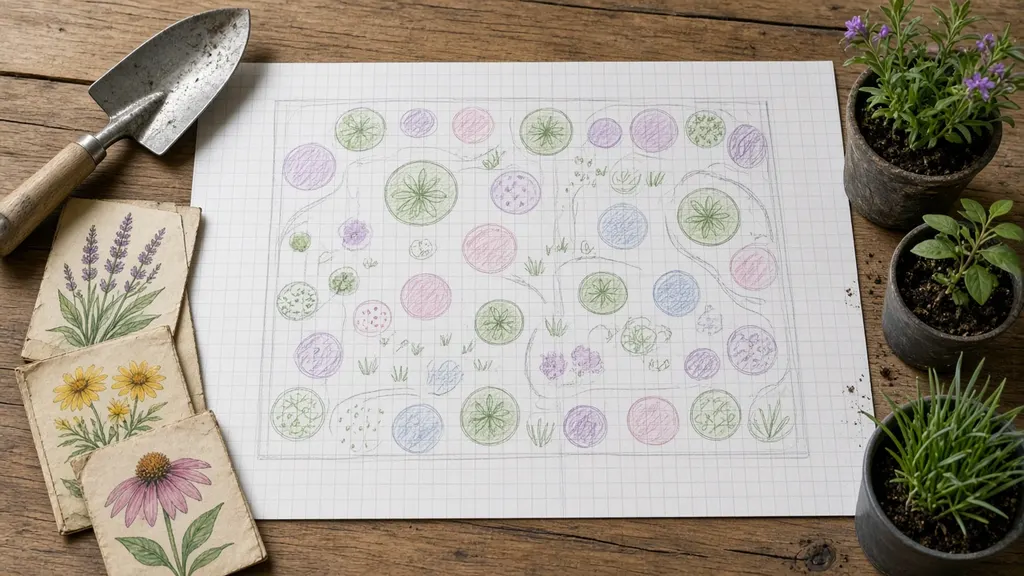
What a garden design plan includes — and what affects what it costs
What you typically get from a residential garden design plan, the difference between a consultation, a planting plan and a full design, and the factors that make one project cost more than another.
· 7 min read
Plants
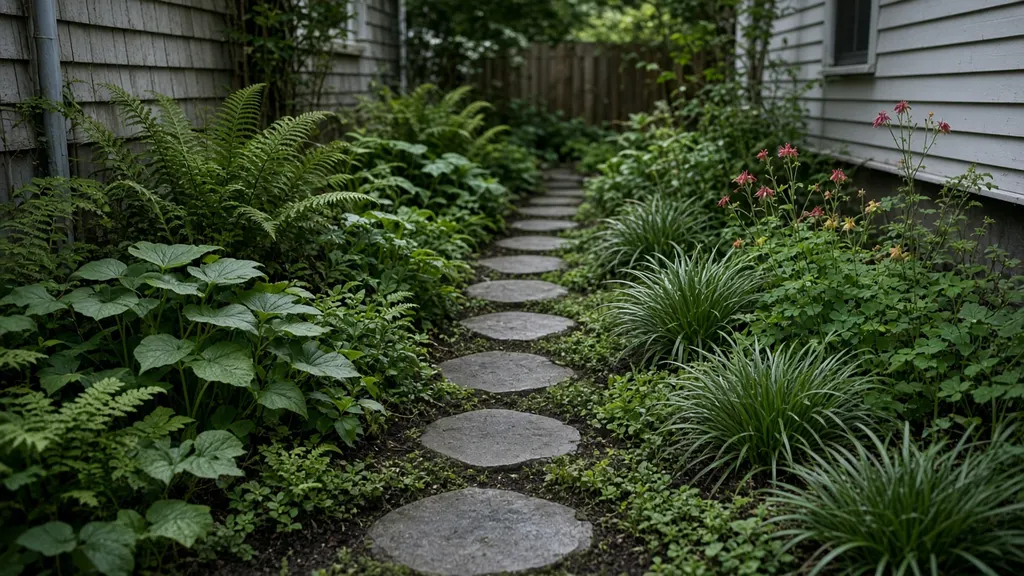
Keeping rabbits and deer from eating your native garden in Omaha
Which native plants rabbits and deer tend to leave alone, how to protect new plantings, and simple fencing and timing strategies that work in Omaha neighborhoods and edge-of-town yards.
· 7 min read