Plants
Drought-tolerant native plants for Omaha yards: a practical list
Native plants that handle Nebraska's hot, dry summers once established — sorted by sun, height and use — plus how to water a new planting so it becomes drought tolerant.

By Amanda Kupsti
· Updated · 7 min read
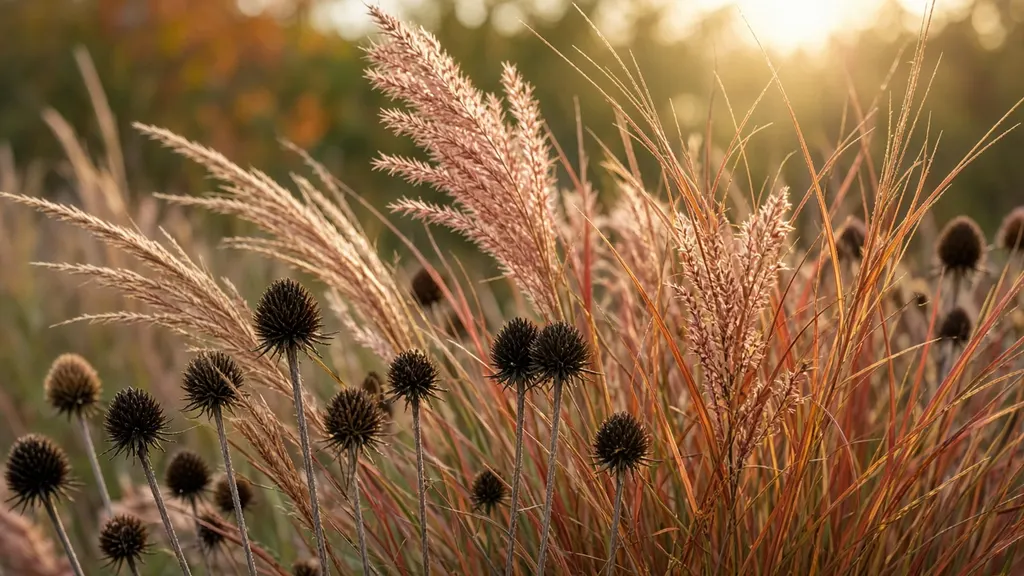
Nebraska summers can be hard on a yard. Stretches of heat and wind, uneven rainfall and clay soils that crack when they dry out all push lawns and many common landscape plants to the limit. Native prairie plants evolved with exactly these conditions, which is why they are the backbone of every low-water garden I plan.
One important caveat before the list: "drought tolerant" means drought tolerant once established. Every plant here needs regular water in its first season while it grows roots. After that, most need little or no supplemental watering in a typical year.
What makes a plant drought tolerant
Most prairie plants put far more growth below ground than above it, especially in their first few years. Deep roots reach moisture that lawn grass, with its shallow roots, never touches. Many also have adaptations that reduce water loss — silver or hairy leaves, narrow grass blades, waxy surfaces, or a habit of going semi-dormant in the hottest weeks.
A native plant's real work happens underground. Water the first year for the roots you can't see.
The list: sun-loving natives for dry spots
These are some of the most dependable choices for hot, sunny, dry parts of an Omaha yard: south- and west-facing beds, strips along driveways, slopes and spots far from a hose.
| Plant | Height | Bloom | Notes |
|---|---|---|---|
| Butterfly milkweed (Asclepias tuberosa) | 1.5–2 ft | June–July | Bright orange; deep taproot; monarch host plant |
| Purple coneflower (Echinacea purpurea) | 2–3 ft | June–Aug | The classic; seedheads for birds |
| Pale purple coneflower (Echinacea pallida) | 2–3 ft | June–July | Native to Nebraska prairies; drooping petals |
| Leadplant (Amorpha canescens) | 2–3 ft | June–July | Small silver-leaved shrub; very deep roots |
| Purple prairie clover (Dalea purpurea) | 1–2 ft | July | Fine foliage; fixes nitrogen |
| Rough blazing star (Liatris aspera) | 2–3 ft | Aug–Sept | Purple spikes; a favorite of butterflies |
| Aromatic aster (Symphyotrichum oblongifolium) | 1.5–2 ft | Sept–Oct | Mounded; covered in blue-violet flowers |
| Stiff goldenrod (Solidago rigida) | 2–4 ft | Aug–Sept | Flat yellow clusters; tough in poor soil |
| Grass | Height | Notes |
|---|---|---|
| Little bluestem (Schizachyrium scoparium) | 2–3 ft | Blue-green summer, copper and red in fall |
| Prairie dropseed (Sporobolus heterolepis) | 1.5–2 ft | Fine, fountain-like clumps; superb edging |
| Sideoats grama (Bouteloua curtipendula) | 1.5–2 ft | Nebraska's state grass; seeds hang along one side |
| Blue grama (Bouteloua gracilis) | 0.5–1 ft | Low, eyelash-shaped seedheads; can be a lawn alternative |
| Switchgrass (Panicum virgatum) | 3–5 ft | Upright; gold in fall; good screen |
Choosing by use
Different spots in a yard call for different plants, even when they are all dry.
Along driveways and sidewalks
Choose low, tidy plants that tolerate reflected heat and some winter salt: prairie dropseed, blue grama, sideoats grama, purple prairie clover and aromatic aster. Keep taller plants back from edges and corners so they do not block sight lines.
Slopes
Grasses with fibrous roots help hold soil. Little bluestem, sideoats grama and switchgrass are good choices, interplanted with leadplant and coneflowers. Use jute netting or a shredded mulch that knits together rather than wood chips that wash downhill.
South and west walls
These are the hottest spots in most yards. Butterfly milkweed, pale purple coneflower, rough blazing star and little bluestem do well. Leave a gap of a couple of feet between plants and the foundation for airflow and access.
How to water a new native planting
The watering schedule in the first season decides whether you end up with a drought-tolerant garden. The goal is deep, infrequent watering that trains roots to go down.
First 2–3 weeks
Water every two to three days so the root ball never dries out.
Weeks 3–8
Shift to a deep soak once or twice a week, depending on heat and rain.
Rest of year one
Water deeply once a week during dry spells only.
Year two onward
Water only during long, severe droughts — and then deeply, not often.
Watering checklist for the first season
- Water at the base of plants, not over the leaves
- Water in the morning when possible
- Use a rain gauge or check soil with a finger before watering
- Mulch two to three inches deep to slow evaporation
- Taper off through the first fall; stop once plants go dormant
What to expect in a dry summer
Even established natives respond to severe drought. Some, like prairie dropseed and blue grama, may go partly brown and dormant in late summer, then green up again after rain. That is normal and not a sign the plant is dying. Coneflowers may bloom for a shorter season. Asters may stay shorter. None of this needs fixing; it is how prairie plants get through dry years.
Low-water alternatives to lawn
Not every part of a yard needs to become a flower bed. For areas where you still want something low and walkable — a play space, a dog run, the strip by the sidewalk — a few native grasses and sedges can replace some of a thirsty lawn.
| Option | Height if unmowed | Foot traffic | Notes |
|---|---|---|---|
| Blue grama | 6–12 in | Moderate | Fine texture; can be mowed occasionally or left natural |
| Buffalograss | 4–6 in | Moderate | Warm-season; green in summer, tan in cool months |
| Prairie dropseed (as a groundcover planting) | 1.5–2 ft | Low | Better for "no-mow" areas than for walking |
| Pennsylvania sedge (part shade) | 6–10 in | Light | For shadier spots under trees |
Warm-season grasses like buffalograss and blue grama green up later in spring and turn tan earlier in fall than cool-season lawn grasses. That surprises some people the first year; in return, they need far less water and mowing through the heat of summer.
Getting more from the rain you already get
The most drought-tolerant garden is one that captures the water that falls on the property instead of sending it down the driveway.
Use your downspouts
A downspout directed into a planted bed — rather than onto pavement — can give nearby plants a deep soak after every storm. Make sure water flows away from the foundation, and choose plants nearby that tolerate both wet periods and dry spells, such as swamp milkweed, switchgrass or blue flag iris.
Consider a rain garden
A rain garden is a shallow, planted depression that collects runoff from a roof or slope and lets it soak in over a day or two. It is one of the most effective ways to make a yard more resilient in dry years, because it stores water in the soil around plant roots. In clay, rain gardens need to be sized and placed carefully so they drain within a day or two; local stormwater and extension resources offer good guidance on sizing.
Mulch and leave the leaves
Mulch slows evaporation and keeps soil cooler. Shredded leaves raked from the lawn make a free, fine mulch for perennial beds in fall.
A sample low-water bed
For a sunny, dry bed about the size of a parking space, this mix covers the season with almost no watering once established.
| Plant | Quantity | Why it's there |
|---|---|---|
| Little bluestem | 7 | Structure and fall color |
| Butterfly milkweed | 3 | Early summer color; monarch host |
| Pale purple coneflower | 5 | Midsummer bloom; native to Nebraska |
| Purple prairie clover | 3 | Fine texture; nitrogen fixer |
| Rough blazing star | 5 | Late summer spikes |
| Aromatic aster | 3 | Fall bloom |
| Sideoats grama | 5 | Front edge; Nebraska's state grass |
Watering a new planting the right way
Even the toughest native plant needs help in its first season. The goal is to water deeply and less often, which encourages roots to grow down instead of staying near the surface. For new plugs, that usually means a thorough soak a couple of times a week in the first month, then gradually stretching the time between waterings through the summer. A simple test is to push a finger a couple of inches into the soil near the plant: if it's dry at that depth, it's time to water. By the second year, most established natives in this list only need water during extended dry spells.
Morning is the best time to water, since less is lost to evaporation and leaves dry quickly. A soaker hose or a slow trickle from a regular hose, left at the base of the plants, delivers water where roots can use it far better than a quick spray from overhead.
Mistakes that make gardens thirstier
- Too much compost or fertilizer. Rich soil encourages soft, leafy growth that needs more water. Most natives prefer lean soil.
- Bare soil between plants. Exposed soil dries and crusts quickly. Mulch until the plants fill in.
- Mixing thirsty plants with dry-loving ones. Group plants by water needs so you are not watering the whole bed for one plant.
- Giving up in year one. The first summer is the only one that really needs regular watering.
Many of these plants are also excellent for pollinators — see the small-yard pollinator guide — and most handle heavy soil, as I explain in planting in Omaha clay.
Last updated
Related guides
Plants
Keeping rabbits and deer from eating your native garden in Omaha
Which native plants rabbits and deer tend to leave alone, how to protect new plantings, and simple fencing and timing strategies that work in Omaha neighborhoods and edge-of-town yards.
· 7 min read
Working with a designer
What a garden design plan includes — and what affects what it costs
What you typically get from a residential garden design plan, the difference between a consultation, a planting plan and a full design, and the factors that make one project cost more than another.
· 7 min read
Design
A pollinator garden for a small Omaha yard: what to plant and how to lay it out
How to fit a useful pollinator garden into a small city yard, patio edge or side strip in Omaha — bloom sequence, host plants, sun and part-shade lists, and simple layouts.
· 7 min read