Garden designer
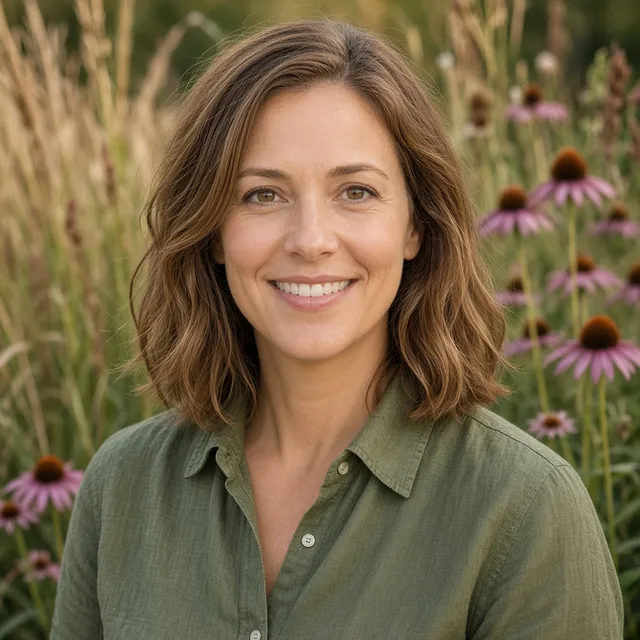
About Amanda Kupsti
How I started
I didn't set out to design gardens. I set out to stop watering a lawn. The first house I owned in Omaha came with a front yard of bluegrass that turned straw-colored every August, no matter how often the sprinkler ran. One fall I covered a corner of it with cardboard and mulch, and the next spring I planted it with a handful of coneflowers, black-eyed Susans and little bluestem from a neighborhood plant sale.
That first summer, the bed didn't look like much — native plants spend their first year growing roots. But people stopped on the sidewalk anyway. What is that? Does it need watering? Won't the rabbits eat it? By the second summer, the corner was full of flowers and bees, and I'd answered those questions so many times that I started writing the answers down.
Those notes became sketches for neighbors' yards, then planting plans, and eventually the small garden-design practice I run today.
“I'd rather plan one bed you'll love and keep up with than a whole yard you'll resent by July.”
What I believe about gardens
A good garden suits the place it's planted. In Omaha that means heavy clay, hot and windy summers, cold winters and rainfall that comes in bursts. Plants that evolved on the prairies around us already know how to handle all of that. My job is mostly to choose the right ones for each spot and arrange them so they look like a garden, not a vacant lot.
I also believe a garden has to fit the life of the people who own it. A beautiful design that needs ten hours a week isn't a good design for a family with two jobs and three kids. I'd rather plan one bed you'll love and keep up with than a whole yard you'll resent by July.
And I think gardens should be honest about time. Native plantings take a season or two to fill in. I'd rather tell you that up front than sell you on an instant result.
How I work
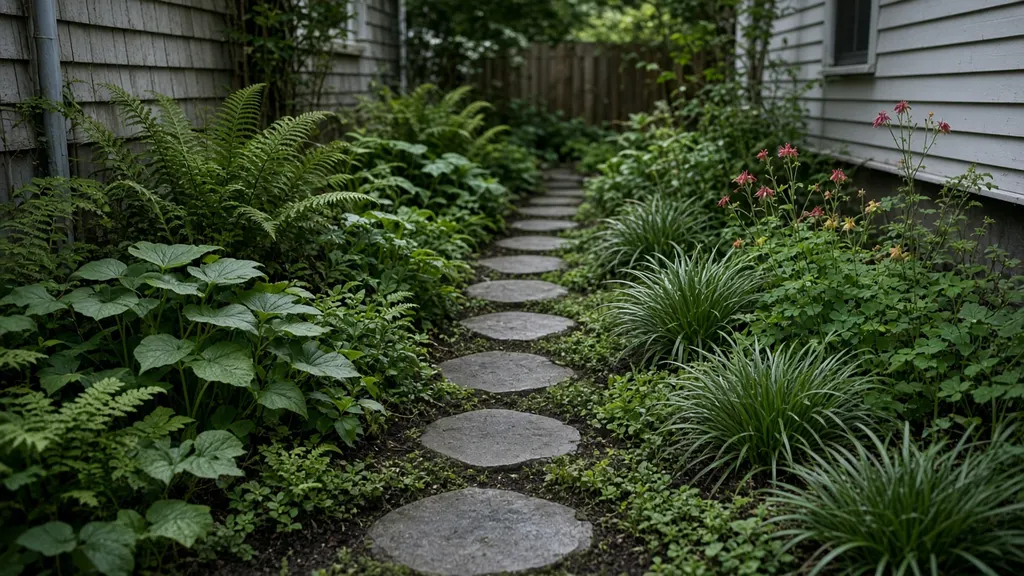
Most of my projects are small: a front-yard bed, a pollinator strip along a fence, a shady side yard, a parkway planting. I start by listening — how you use the yard, what you see from your windows, what you want it to do — and then by looking closely at light, soil, water and what's already growing.
From there I sketch the structure first — edges, paths, bed shapes — and only then choose plants: a short, repeated palette matched to the site and planned for all four seasons. Every plan comes with practical notes on preparing the ground, planting and getting through the first year.
I write the articles on this site for the same reason I started: most people asking about native gardens just need clear, local answers. If they help you plant a bed on your own, that's a good outcome.
Areas of focus
- Native Great Plains plants
- Low-water garden design
- Small-yard planting plans
- Pollinator-friendly gardens
- Gardening in clay soil
Story
Along the way
The first bed
Replaced a corner of my own lawn
Cardboard, mulch and a dozen plugs from a neighborhood plant sale. The bed that started all the questions.
Year two
Started sketching for neighbors
Simple plans on graph paper for front yards on the same block, mostly to answer the same questions faster.
Year three
Began helping with plant sales
Volunteering at community seed swaps and spring plant sales, matching plants to people's sun and soil.
Year four
Opened a small design practice
Consultations and planting plans for small yards across the Omaha metro.
Today
Designing and writing
Planting plans for homeowners, talks for neighborhood groups, and plain-language guides on this site.
Values
What guides the work
Right plant, right place
Plants chosen for the light, soil and water a spot actually has — not for how they look on a tag.
Structure first
Edges, paths and repetition make native gardens look intentional in every season.
Honest about time
Clear expectations for the first year, the second, and when a garden will look full.
Sized for real life
Plans that fit the time and budget of the people who will live with them.
Outside the garden
When I'm not designing gardens, I'm usually walking Omaha's trails and parks, noting which wildflowers are blooming and where — some of the best design ideas come from watching how plants grow on their own. I volunteer at community seed swaps, help neighborhood groups organize spring plant sales, and keep a running notebook of what's thriving (and what isn't) in my own yard.
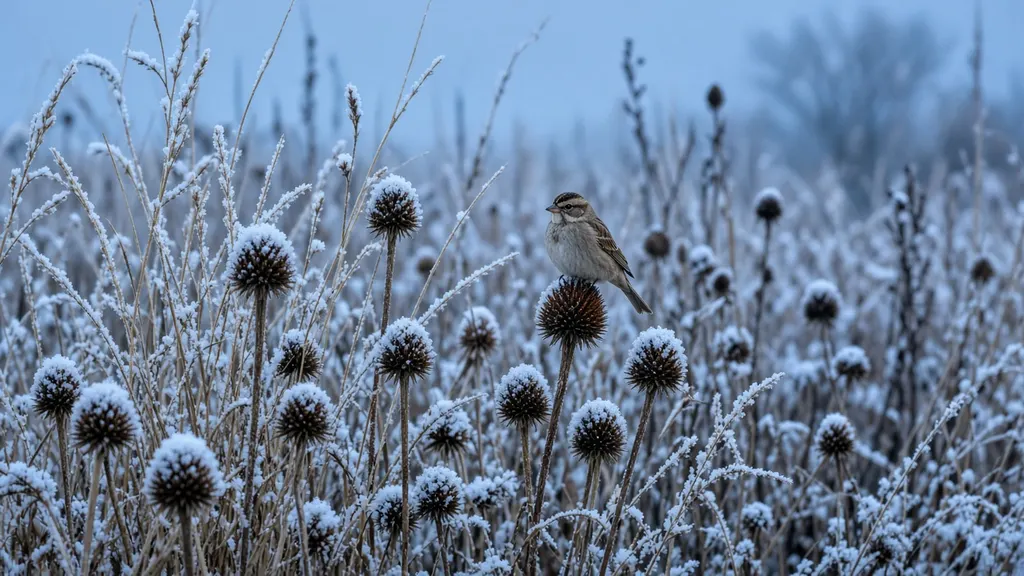
In winter, when the garden is resting, I plan: sorting seed, sketching next year's beds and writing the longer guides on this site.
Recent writing
All guides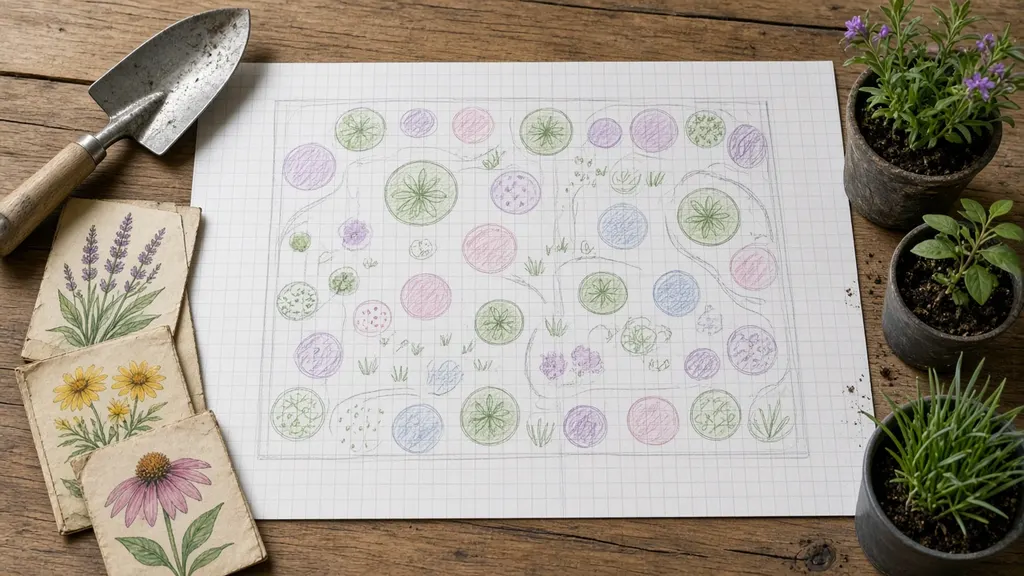
Working with a designer
What a garden design plan includes — and what affects what it costs
What you typically get from a residential garden design plan, the difference between a consultation, a planting plan and a full design, and the factors that make one project cost more than another.
· 7 min read
Design
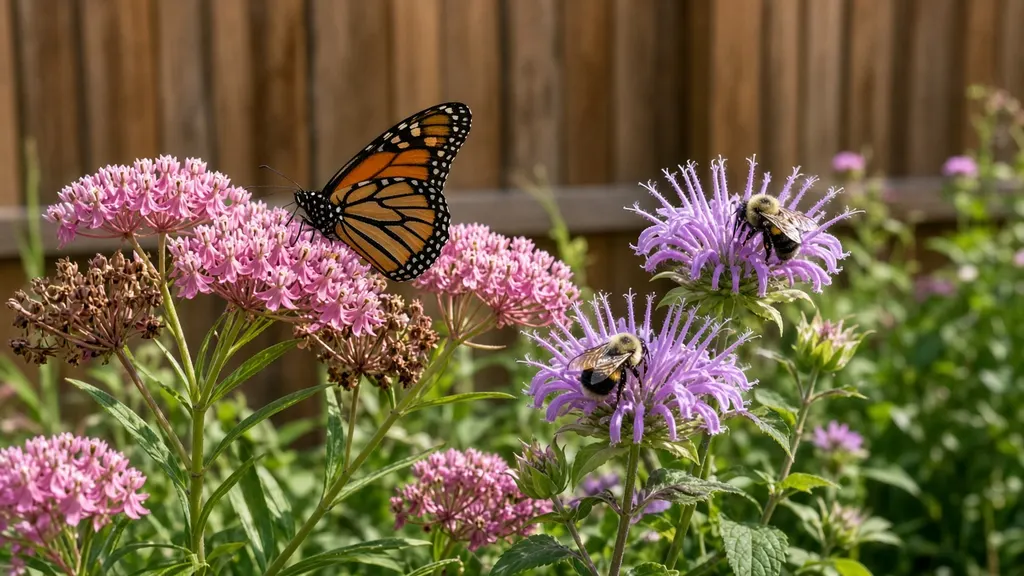
A pollinator garden for a small Omaha yard: what to plant and how to lay it out
How to fit a useful pollinator garden into a small city yard, patio edge or side strip in Omaha — bloom sequence, host plants, sun and part-shade lists, and simple layouts.
· 7 min read
Plants
Keeping rabbits and deer from eating your native garden in Omaha
Which native plants rabbits and deer tend to leave alone, how to protect new plantings, and simple fencing and timing strategies that work in Omaha neighborhoods and edge-of-town yards.
· 7 min read
Work with Amanda
See the options, what each includes and how a project comes together.