Plants
Keeping rabbits and deer from eating your native garden in Omaha
Which native plants rabbits and deer tend to leave alone, how to protect new plantings, and simple fencing and timing strategies that work in Omaha neighborhoods and edge-of-town yards.

By Amanda Kupsti
· Updated · 7 min read
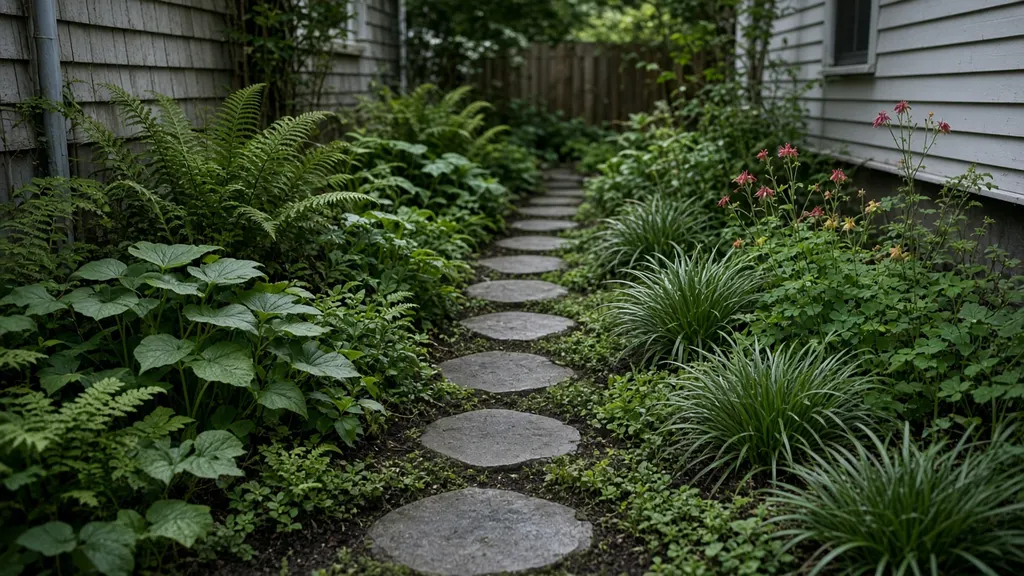
In most Omaha neighborhoods, the animal that does the most damage to a new garden is not a deer. It is the cottontail rabbit that lives under the neighbor's deck. Rabbits are especially hard on new plantings in spring, when tender young growth is the most appetizing thing around. In yards near wooded areas, parks and creeks — on the edges of the metro, along the river bluffs and near larger green spaces — deer join in, particularly in late fall and winter.
No plant is completely safe from a hungry animal. But some native plants are much less appealing to them than others, and a few simple habits protect a garden through its most vulnerable first season.
Understanding the pattern
Rabbits and deer browse differently, and the protection that works for one does not always work for the other.
| Rabbits | Deer | |
|---|---|---|
| Where | Nearly every neighborhood | Yards near woods, creeks, parks and the edges of town |
| When it's worst | Spring (new shoots) and winter (bark on young shrubs) | Late fall and winter; also new growth in spring |
| How you can tell | Clean, angled cuts low to the ground | Ragged, torn stems; damage higher up |
| What works | Low wire fencing or cages, around 2 ft tall | Taller fencing, repellents, unpalatable plants |
Protect the first season; plant the right mix for every season after.
Native plants rabbits and deer tend to avoid
Animals tend to pass over plants that are aromatic, fuzzy, bitter, very fibrous or milky-sapped. "Tend to avoid" is important: a young plant in an April with little else to eat may still get nibbled. Established plants of the following kinds are usually left alone.
| Plant | Why animals tend to avoid it | Notes |
|---|---|---|
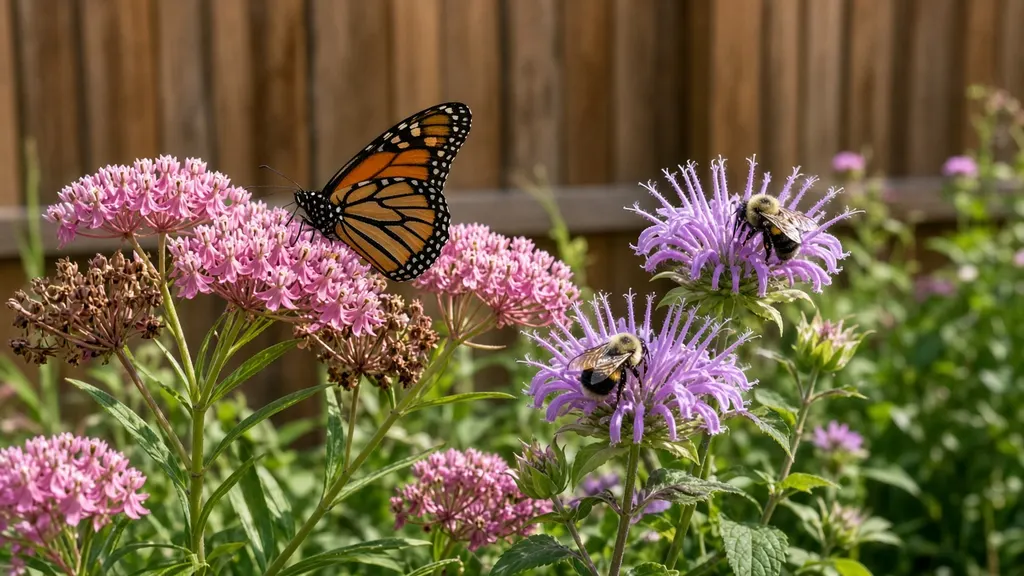
| Wild bergamot (Monarda fistulosa) | Strong minty scent | Excellent for pollinators |
| Anise hyssop (Agastache foeniculum) | Licorice scent | Long bloom; very bee-friendly |
| Mountain mint (Pycnanthemum) | Intense mint scent | Spreads politely; great nectar plant |
| Butterfly milkweed and other milkweeds | Bitter, milky sap | Monarch host plant |
| Prairie smoke (Geum triflorum) | Fuzzy, tough leaves | Early season edging |
| Golden Alexanders (Zizia aurea) | Mildly bitter | Spring bloom; swallowtail host plant |
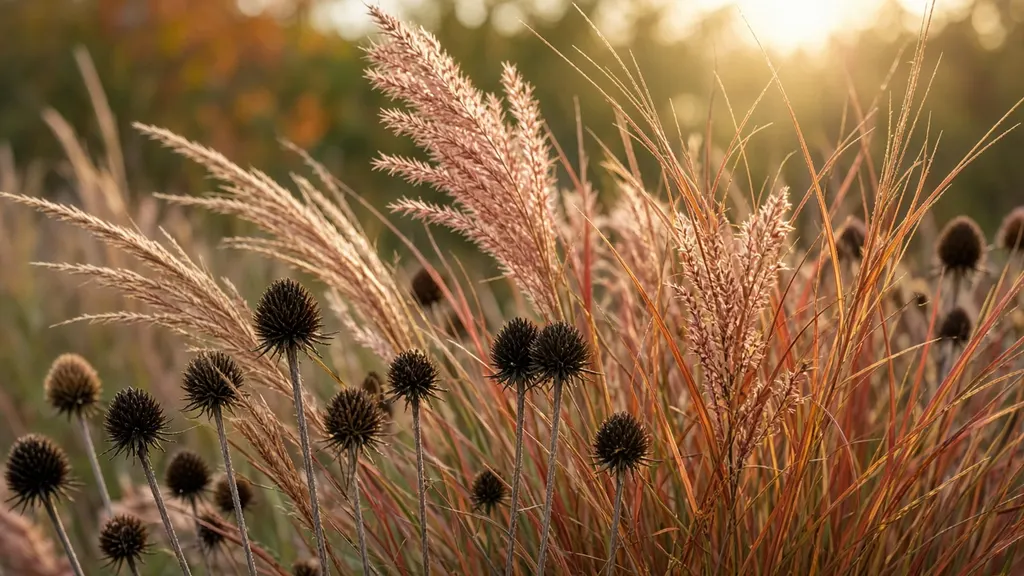
| Native grasses (little bluestem, prairie dropseed) | Fibrous; low appeal | Usually ignored once established |
| Pennsylvania sedge (Carex pensylvanica) | Grassy, tough | Shade groundcover |
| Ferns | Low palatability | Shady side yards |
Plants that often need protection
These are wonderful garden plants, but rabbits in particular often go after them — especially when young:
- Asters (aromatic aster, smooth blue aster, New England aster)
- Purple coneflower, especially in spring
- Blazing stars (Liatris)
- Purple prairie clover and other legumes
- Young shrubs, whose bark rabbits chew in winter
I would not avoid these plants; I would protect them while they establish and mix them with the less palatable plants above.
Protecting new plantings
The first few weeks after planting are when losses happen. A rabbit can clip a newly planted plug to the ground overnight. These approaches work well together:
At planting
Put a small wire cage over each favored plant, pinned to the ground.
First season
Leave cages on until plants are well rooted and bushy, usually by midsummer.
Fall
Wrap the trunks of young shrubs and trees with hardware cloth for winter.
Next spring
Re-cage asters and other favorites until they are about a foot tall.
Making simple plant cages
Chicken wire or hardware cloth works well. Cut a piece about two feet long, form it into a cylinder roughly a foot across, and pin it to the soil with landscape staples. They are inexpensive, last several seasons and nearly disappear visually once plants grow through them.
Repellents: useful, with limits
Spray repellents based on scent or taste can reduce browsing, particularly on a few prized plants. They need reapplying after rain and as new growth appears, and animals sometimes get used to one product, so rotating between types helps. I think of repellents as a supplement to plant choice and cages, not a replacement.
Designing for browse pressure
If you know your yard has heavy rabbit or deer traffic, a few design choices reduce the problem:
- Lead with resistant plants along the edges. Mints, milkweeds and grasses on the outside of a bed shield more palatable plants inside.
- Plant in larger groups. A group of seven coneflowers can absorb a little browsing; a single one cannot.
- Use bigger plants for favorites. A larger potted aster survives nibbling better than a tiny plug.
- Don't create rabbit cover. Brush piles and dense low shrubs right next to the bed give rabbits a place to hide.
- Accept a little damage. Native plants often recover from browsing by branching and blooming a little later.
A protection calendar for Omaha yards
Browsing pressure changes through the year. Knowing when each kind of damage tends to happen lets you put protection in place before it starts rather than after.
| Time of year | What tends to happen | What to do |
|---|---|---|
| March–April | Rabbits clip new shoots as perennials emerge | Re-cage favorites; check fence gaps |
| May–June | New plantings are most vulnerable | Cage new plugs; apply repellent to prized plants |
| July–August | Pressure usually eases as other food is plentiful | Remove cages from well-established plants |
| September–October | Deer start browsing more near wooded areas | Watch edges; repellent on favorites if deer are around |
| November–February | Rabbits chew bark on young shrubs; deer browse twigs | Wrap trunks with hardware cloth; keep snow from building up around cages |
What to do after damage
Finding a favorite plant chewed to the ground is discouraging, but it is rarely the end. Most established native perennials have deep root systems with plenty of stored energy, and they regrow from the base. In my experience, a plant clipped in early spring often comes back bushier, with more stems, and blooms a little later than usual.
- Don't dig it up. Give it a few weeks; most perennials resprout.
- Cage it now. A second round of browsing is what really sets a young plant back.
- Water if it's dry. Regrowth takes energy; a deep soak helps in a dry spell.
- Look at the pattern. If the same corner gets hit every year, that's where a short fence or a border of less-palatable plants will pay off.
Shrubs need winter attention
Rabbits do some of their most serious damage in winter, when snow covers other food and they turn to the bark of young shrubs and trees. A ring of chewed bark all the way around a stem can kill it above that point. Wrapping trunks with a loose cylinder of hardware cloth in late fall, taller than the expected snow depth, prevents this. Native shrubs like New Jersey tea, chokeberry and young serviceberries are especially worth protecting for their first few winters.
Living with wildlife
A native garden invites wildlife on purpose — birds, bees, butterflies — and a certain amount of nibbling comes with that. The goal isn't a garden no animal ever touches; it's a garden that can absorb some browsing and still look good. Planting in generous groups, mixing in plants animals avoid, and protecting the vulnerable first season gets most Omaha gardens there.
Designing a bed that tolerates browsing
The most reliable approach I've found is to design with browsing in mind from the start. Put the plants animals rarely bother — aromatic ones like mountain mint, anise hyssop and bee balm, and grasses like little bluestem — along the outside edges and paths, where rabbits tend to feed first. Tuck the more palatable plants, such as asters, coneflowers and young shrubs, toward the middle, where they are less exposed. Plant in groups rather than single specimens, so that a few nibbled stems don't leave a visible hole in the bed. Over time, a dense, layered planting with few open patches of bare soil gives rabbits less cover and makes the whole garden more resilient.
It also helps to keep notes. Jot down which plants were nibbled, when, and how they recovered. After a season or two you'll have a clear picture of what the animals in your particular yard prefer, which is more useful than any general list, because browsing habits vary a lot from one neighborhood to the next.
A browse-resistant checklist
- Note which animals visit and when (tracks, droppings, clipped stems)
- Cage asters, coneflowers and blazing stars at planting time
- Put aromatic and milky-sapped plants on the outside edges
- Wrap young shrub trunks before the first snow
- Reapply repellents after rain if you use them
- Remove cages once plants are established, so they don't get grown into
Browse pressure is one of the main reasons I recommend starting with a small, well-protected bed — see my first-season front lawn plan. And for shaded side yards, where sedges and ferns do most of the work, the small-yard pollinator guide includes a part-shade plant list.
Last updated
Related guides
Plants
Drought-tolerant native plants for Omaha yards: a practical list
Native plants that handle Nebraska's hot, dry summers once established — sorted by sun, height and use — plus how to water a new planting so it becomes drought tolerant.
· 7 min read
Working with a designer
What a garden design plan includes — and what affects what it costs
What you typically get from a residential garden design plan, the difference between a consultation, a planting plan and a full design, and the factors that make one project cost more than another.
· 7 min read
Design
A pollinator garden for a small Omaha yard: what to plant and how to lay it out
How to fit a useful pollinator garden into a small city yard, patio edge or side strip in Omaha — bloom sequence, host plants, sun and part-shade lists, and simple layouts.
· 7 min read