Design
Designing a native garden that looks good in all four Nebraska seasons
How to plan a small Omaha native garden for spring, summer, fall and winter interest — with bloom-sequence tables, grasses for structure and what to leave standing over winter.

By Amanda Kupsti
· Updated · 7 min read
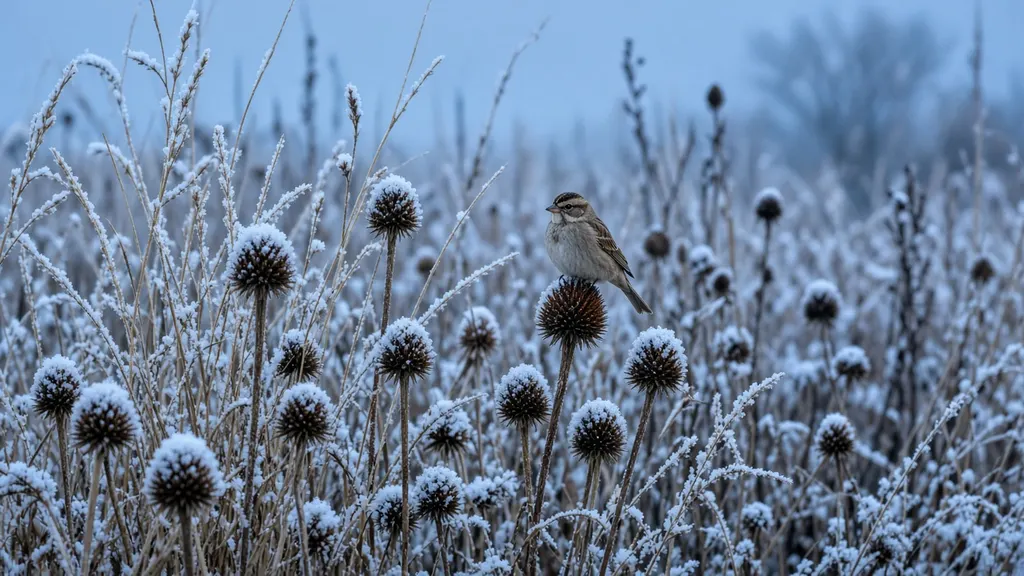
The question I hear most often after "will it look messy?" is "what does it look like in March?" It is a fair question. A lot of native gardens are photographed in July, when coneflowers and bee balm are at their peak, and say nothing about the other nine months of the year. In Nebraska, those other months matter. Spring is short and unpredictable, fall is long and often beautiful, and winter can last from Thanksgiving into April.
A well-planned native garden has something to offer in every one of those seasons. It is not about having flowers all year — that is not realistic here — but about layering bloom times, foliage, seedheads and structure so the garden always looks like it is doing something on purpose.
The idea: a bloom sequence, not a bloom peak
Many gardens are planted on a single Saturday in May, using whatever looks good at the garden center that day. The result is a burst of color in early summer and very little before or after. Planning for four seasons starts by doing the opposite: deliberately choosing a few plants for each part of the year.
Early spring
Low, early bloomers and the first green of grasses
Late spring
Lupine-like spikes, columbine, golden Alexanders
Summer
The big show — coneflowers, bee balm, milkweed, black-eyed Susans
Fall
Asters, goldenrods, and grasses turning copper and red
Winter
Standing seedheads, grass stems and the shapes of the beds
You do not need equal numbers of plants in each season. A rough rule I use for small yards is: a few plants for spring, a solid backbone for summer, a generous fall, and enough grasses and sturdy stems that the bed still holds its shape in winter.
Spring: small things that matter
Spring in Omaha can swing from 80 degrees to snow in the same week, and native plants are well adapted to it. The early-season stars are small, so place them where you will actually see them — near the front walk, by the door, along the edge of a patio.
| Plant | Typical bloom | Light | Notes |
|---|---|---|---|
| Pasque flower (Pulsatilla patens) | March–April | Full sun | Very early; fuzzy seedheads after bloom |
| Prairie smoke (Geum triflorum) | April–May | Sun to part sun | Feathery pink seedheads; good edging |
| Wild columbine (Aquilegia canadensis) | May | Part shade | Red and yellow; visited by early hummingbirds |
| Golden Alexanders (Zizia aurea) | May–June | Sun to part shade | Bright yellow; host plant for swallowtail caterpillars |
| Wild geranium (Geranium maculatum) | May | Part shade | Soft pink; good under trees |
The other spring event is quieter: the new growth of grasses and the first leaves of summer perennials. If you cut back last year's stems in spring (more on timing below), this is when the bed suddenly looks fresh and green.
Summer: the backbone
Summer is when native gardens are at their fullest, and it is the easiest season to plan for because so many reliable natives bloom then. The goal is not more summer color but a longer summer — choosing plants that bloom in early, mid and late summer so the show does not end in July.
| Early summer | Midsummer | Late summer |
|---|---|---|
| Butterfly milkweed | Purple coneflower | Rough blazing star |
| Spiderwort | Wild bergamot (bee balm) | Rattlesnake master |
| Lanceleaf coreopsis | Black-eyed Susan | Showy goldenrod |
| Foxglove beardtongue | Pale purple coneflower | Sweet black-eyed Susan |
Midsummer is also when the garden is most useful to pollinators. I wrote a whole guide on fitting a pollinator garden into a small yard if that is your main goal.
Plan the garden for October and February first. July takes care of itself.
Fall: the season native gardens win
Fall is where native gardens outperform almost any other kind of planting in Nebraska. As lawns go dormant and annuals fade, asters and goldenrods come into full bloom and prairie grasses change color — little bluestem turns copper and burgundy, switchgrass turns gold, and prairie dropseed goes amber and smells faintly like popcorn on warm days.
Fall plants worth the space
- Aromatic aster — a mounded, tidy aster covered in blue-violet flowers in September and October.
- Smooth blue aster — taller and airier; good toward the back of a bed.
- Showy goldenrod — upright yellow plumes. Goldenrod is often blamed for hay fever, but its pollen is heavy and carried by insects rather than wind; ragweed, which blooms at the same time, is the usual culprit.
- Little bluestem and switchgrass — the most dependable fall color in a small garden.
- Rough blazing star — late purple spikes that are a magnet for migrating monarchs.
Winter: structure and seedheads
A native garden in winter is mostly about shape. Grass clumps, coneflower seedheads and the stiff stems of plants like rattlesnake master hold snow and frost, cast shadows, and give birds something to eat. Juncos, goldfinches and sparrows will pick through coneflower and black-eyed Susan seedheads all winter.
This is also when a garden's bones show. If the bed has a clear edge, a path, a bench or a boulder, it still reads as a garden under snow. If it does not, it can look like a patch of dead stalks. That is why I put so much weight on clean edges and "cues of care" in a first front-yard bed.
Putting it together in a small bed
Here is how those layers might come together in a sunny bed about the size of a one-car garage. The proportions matter more than the exact plants.
| Layer | Share of plants | Example plants |
|---|---|---|
| Grasses (year-round structure) | About a third | Little bluestem, prairie dropseed |
| Summer flowers | About a third | Coneflowers, bee balm, black-eyed Susan, butterfly milkweed |
| Fall flowers | A sixth | Aromatic aster, showy goldenrod, rough blazing star |
| Spring and edging plants | A sixth | Prairie smoke, golden Alexanders, pasque flower |
Arranging by height and season
- Put grasses and spring plants near the front edge, where low, early growth will be seen.
- Put summer and fall bloomers in drifts behind them, alternating so no section goes bare at once.
- Repeat the same grass along the front edge to tie the whole bed together.
- Place the tallest late plants — goldenrod, taller asters — at the back or center.
A season-by-season care calendar
- March–April: Cut back last year's stems once it warms up; leave stubs. Pull early weeds.
- May–June: Plant new plugs. Water new plantings. Watch for rabbits on young asters.
- July–August: Water only new plants and only in long dry spells. Deadhead nothing you want birds to eat.
- September–October: Plant in late summer if needed. Enjoy the asters. Collect seed to share.
- November–February: Leave it standing. Brush snow off paths. Plan next year's additions.
Native shrubs for winter structure
In a small garden, one or two native shrubs can carry a lot of the winter interest. They hold their shape under snow, often have attractive bark or berries, and give birds shelter.
| Shrub | Size | Winter interest |
|---|---|---|
| New Jersey tea (Ceanothus americanus) | 2–3 ft | Twiggy structure; seed capsules |
| Aromatic sumac (Rhus aromatica) | 2–6 ft | Fuzzy red berries; dense branches |
| Black chokeberry (Aronia melanocarpa) | 3–6 ft | Dark berries into winter |
| Ninebark (Physocarpus opulifolius) | 5–8 ft | Peeling bark |
| American hazelnut (Corylus americana) | 6–10 ft | Catkins in late winter |
Place shrubs at corners, at the end of a bed or beside a path, where they anchor the planting and frame views from the house. Young shrubs benefit from a trunk guard in winter — rabbits like their bark.
Letting winter stand
One of the simplest choices for a four-season garden is what not to do in fall. Leaving stems and seedheads standing through winter gives the garden shape when everything else is bare, feeds birds like goldfinches and juncos, and shelters insects that will overwinter in hollow stems or leaf litter. Coneflowers, black-eyed Susans, little bluestem, switchgrass and blazing star all look good under frost and snow.
The time to cut back is spring, once daytime temperatures have stayed warm for a while. Cut stems to varying heights rather than to the ground, and leave the clippings as mulch or chop them into the bed. The garden will green up through them within weeks.
Common mistakes
- Planting only what is blooming at the nursery. You end up with a June garden.
- Cutting everything down in fall. You lose winter structure and overwintering insects.
- Too few grasses. Without them, a bed looks sparse in spring and flat in winter.
- Ignoring the edges. Seasonal interest only reads well inside a clearly defined bed.
If you are on heavy clay, the plants above are generally tolerant of it, but read the clay soil guide for how to plant them well. For hot, dry spots along driveways and south walls, see drought-tolerant native plants for Omaha yards.
Last updated
Related guides
Design
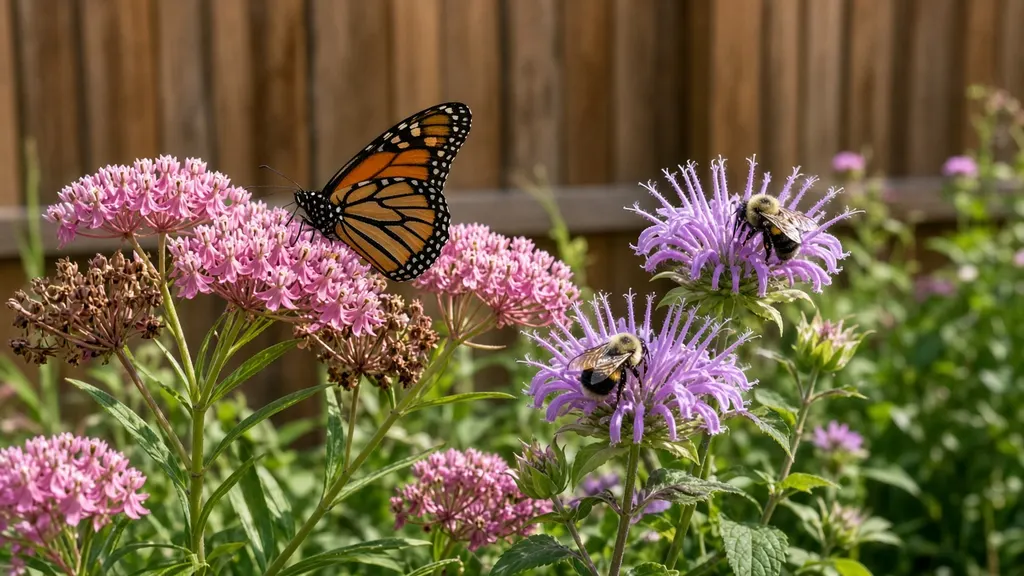
A pollinator garden for a small Omaha yard: what to plant and how to lay it out
How to fit a useful pollinator garden into a small city yard, patio edge or side strip in Omaha — bloom sequence, host plants, sun and part-shade lists, and simple layouts.
· 7 min read
Working with a designer
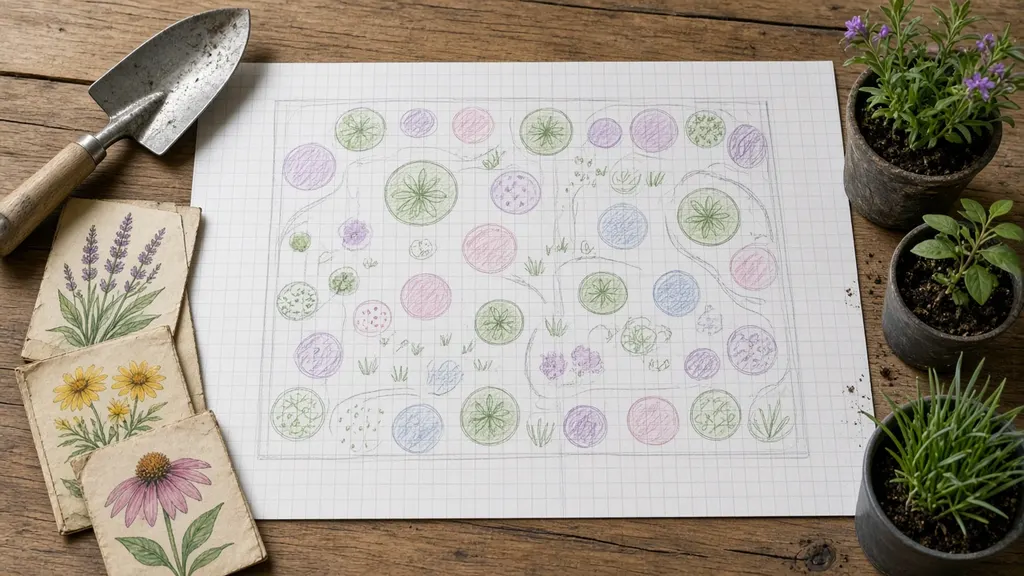
What a garden design plan includes — and what affects what it costs
What you typically get from a residential garden design plan, the difference between a consultation, a planting plan and a full design, and the factors that make one project cost more than another.
· 7 min read
Plants
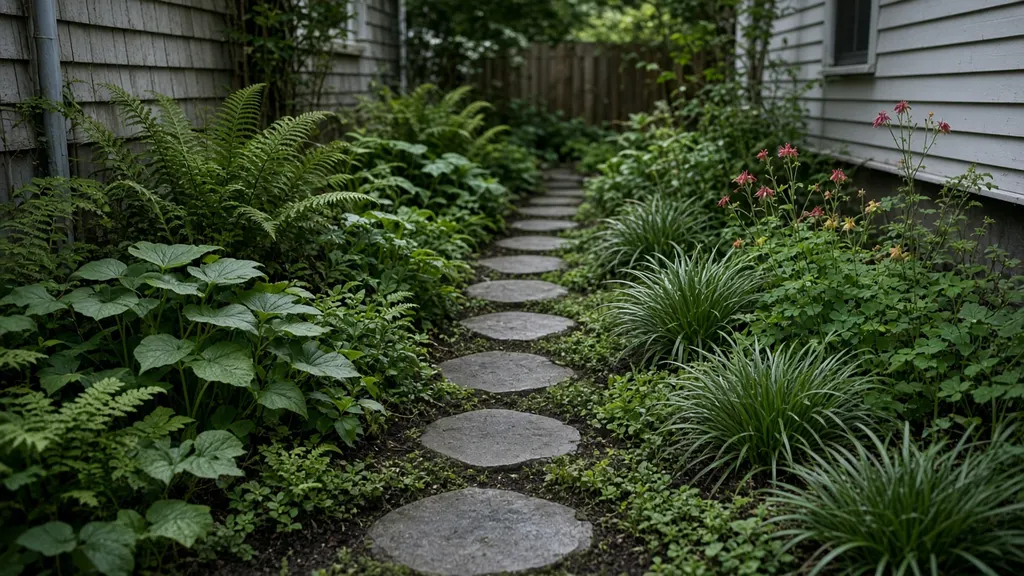
Keeping rabbits and deer from eating your native garden in Omaha
Which native plants rabbits and deer tend to leave alone, how to protect new plantings, and simple fencing and timing strategies that work in Omaha neighborhoods and edge-of-town yards.
· 7 min read